
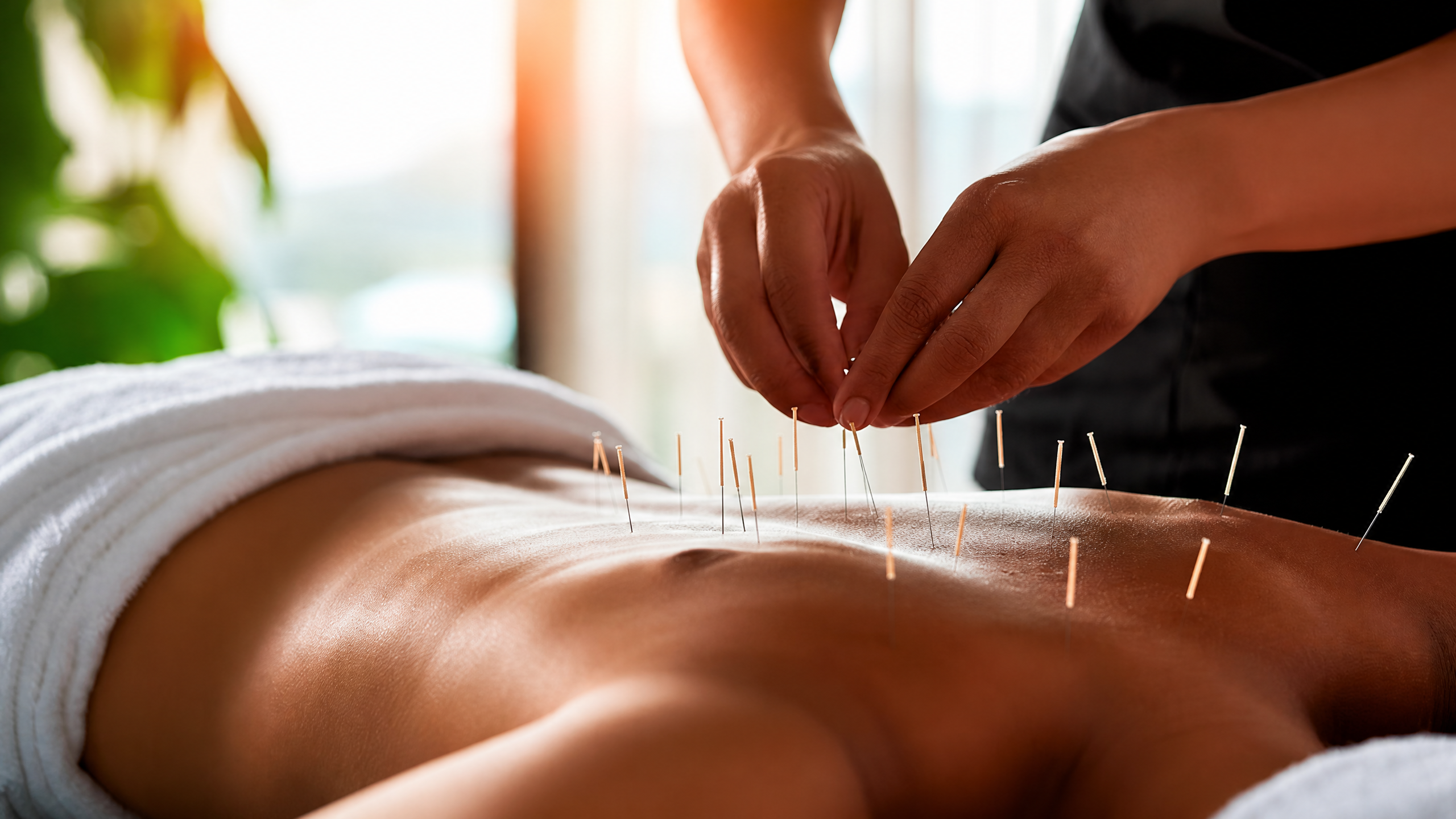
"Does acupuncture actually work, or is it just needles and hope?" It's the question almost every first-time client asks before their first session — and it's a fair one. Acupuncture is one of the oldest continuously practiced medical systems in the world, yet it still gets treated like a fringe idea in many conversations. The truth sits in the middle: it's a legitimate, well-studied therapy for specific conditions, not a cure-all, and understanding what it can realistically do is the first step to using it well.
This guide covers what acupuncture and Traditional Chinese Medicine (TCM) actually involve, what a session near you looks like, honest pricing expectations, and how to find a properly trained practitioner rather than someone waving needles around without credentials.
What Is Traditional Chinese Medicine, Really?
TCM is a complete medical framework developed over more than 2,000 years, built around the idea that health depends on the balanced flow of Qi (vital energy) through the body's meridians. It includes several tools working together: acupuncture, herbal medicine, cupping, moxibustion, dietary therapy, and Tui Na (therapeutic massage).
Acupuncture — inserting hair-thin, sterile needles into specific points — is the most well-known of these tools, and also the most researched by modern science. It's been studied extensively for pain conditions, with meaningful evidence supporting its use for chronic lower back pain, tension headaches, migraines, and osteoarthritis-related joint pain.
What Happens During a Typical Acupuncture Session
Step-by-Step: What to Expect
- Step 1 — Intake consultation: A proper practitioner spends 15-20 minutes reviewing your health history, current symptoms, and goals — not just your presenting complaint.
- Step 2 — Pulse and tongue diagnosis: TCM practitioners assess pulse quality and tongue appearance as diagnostic tools, which can feel unusual if you're used to Western checkups.
- Step 3 — Needle placement: Sterile, single-use needles are inserted at selected points. Most people feel a brief pinch or nothing at all — not sharp pain.
- Step 4 — Rest period: Needles typically stay in for 20-30 minutes while you rest, often in a dim, quiet room.
- Step 5 — Removal and aftercare guidance: Needles are removed, and you'll usually get simple aftercare advice — hydration, rest, avoiding intense exercise for a few hours.
Acupuncture Prices: What You Should Actually Expect to Pay
Pricing varies significantly based on practitioner experience, clinic setting, and whether it's a standalone session or part of a broader TCM treatment plan. As a general guide: a single acupuncture session typically costs meaningfully more at a clinical, credentialed practice than at an informal or unlicensed setup — and that price difference usually reflects real differences in training, needle sterilization protocols, and diagnostic thoroughness.
Be cautious of prices that seem unusually low; proper single-use needles, a trained practitioner, and a clean clinical environment all cost money to maintain, and cutting corners here is a genuine safety risk, not just a quality one. When comparing "chinese medicine near me" options, ask directly about practitioner certification and needle sterilization practice before booking.
Acupuncture vs. Other Common Pain Therapies
| Feature | Acupuncture | Physiotherapy | Pain Medication |
|---|---|---|---|
| Approach | Point-based, whole-body | Exercise/mobility-based | Pharmacological |
| Best For | Chronic pain, tension, headaches | Mobility, injury rehab | Acute, short-term pain |
| Side Effects | Minimal, mild bruising possible | Minimal | Varies, can include dependency risk |
| Sessions Needed | Often 4-8+ for chronic issues | Ongoing, program-based | As needed/prescribed |
Pros and Cons of Acupuncture
- Pro: Low risk of serious side effects when performed by a trained, licensed practitioner using sterile needles.
- Pro: Solid evidence base for specific pain conditions, unlike many alternative therapies.
- Con: Not a substitute for medical diagnosis — persistent or worsening symptoms should always be evaluated by a physician first.
- Con: Results usually require multiple sessions; it's rarely a one-visit fix.
Frequently Asked Questions
Does acupuncture hurt?
Most people describe it as a brief pinch or pressure sensation, not pain. The needles are far thinner than injection needles.
How many sessions will I need?
It depends on the condition — acute issues may respond in 2-3 sessions, while chronic pain often needs 6-10 sessions for a full course.
Is TCM chinese medicine safe alongside my regular medication?
Generally yes when disclosed properly, but herbal components of TCM can interact with certain medications — always inform your practitioner and your doctor.
What should I look for in a "chinese medicine near me" search?
Look for licensed practitioners, single-use sterile needles, a clean clinical setting, and a thorough intake process — not just proximity or price.
Can acupuncture help with stress and anxiety, not just pain?
Many clients report reduced stress and better sleep alongside pain relief, likely linked to the therapy's effect on the nervous system's relaxation response.
Professional Support in Lagos
Choosing the right acupuncture and TCM provider matters as much as choosing the therapy itself. At Immerc-Home Global, we provide compassionate, highly customized protocols. Schedule a private consultation today to begin your healing journey.
Have questions about acupuncture pricing or what to expect from your first session? Drop them in the comments — and share this guide with anyone considering TCM for the first time.